
Introduction
Conversation hearts are among the most recognizable Valentine’s Day candies in the world. These colorful, heart-shaped sweets feature short messages such as “Be Mine,” “Love You,” and “Kiss Me,” making them a fun and sentimental treat for people of all ages. Every year, millions of conversation hearts are exchanged between friends, family members, classmates, and romantic partners as a simple way to express affection.
The enduring popularity of conversation hearts comes from their unique combination of sweetness, nostalgia, and playful communication. Unlike ordinary candy, these treats carry messages that help people share emotions in a lighthearted and memorable way. Whether tucked into a Valentine’s card or displayed in decorative bowls, conversation hearts continue to hold a special place in holiday traditions.
The History of Conversation Hearts
The story of conversation hearts dates back to the 19th century when candy makers began experimenting with edible messages. The precursor to modern conversation hearts was a candy called a motto sweet, which featured printed sayings on larger candy shapes.
In the 1860s, innovative printing techniques allowed manufacturers to place messages directly onto candy surfaces. Over time, these candies evolved into the heart-shaped versions we know today. The development of conversation hearts transformed Valentine’s Day candy by adding a personal and interactive element.
As the decades passed, conversation hearts became a seasonal favorite in North America. Their charming messages reflected changing language trends, making them a fascinating cultural time capsule. From classic romantic phrases to modern expressions, conversation hearts have adapted while maintaining their traditional appeal.
Why Conversation Hearts Are So Popular
One reason conversation hearts remain popular is their emotional value. Unlike many candies that focus solely on flavor, conversation hearts combine taste with meaningful messages. This unique feature helps create memorable experiences during Valentine’s celebrations.
Another factor contributing to the success of conversation hearts is their affordability. They are widely available and accessible to people of all ages, making them an easy choice for classroom exchanges, workplace celebrations, and family gatherings.
Nostalgia also plays a significant role in the popularity of conversation hearts. Many adults remember receiving these candies during childhood, and they continue the tradition with younger generations. This emotional connection keeps conversation hearts relevant year after year.
The visual appeal of conversation hearts further enhances their popularity. Their pastel colors and recognizable shapes instantly evoke feelings of romance, friendship, and celebration, making them a staple of Valentine’s Day décor and gift baskets.
The Meaning Behind Conversation Hearts Messages
The messages printed on conversation hearts are what truly set them apart from other candies. These short phrases serve as miniature expressions of affection, encouragement, and friendship.
Classic conversation hearts often feature messages such as “Be Mine,” “True Love,” and “Sweetheart.” These traditional sayings have remained popular because they communicate simple yet heartfelt emotions. Many people associate these messages with cherished Valentine’s Day memories.
Modern conversation hearts sometimes include updated phrases inspired by contemporary communication styles. Social media, texting, and pop culture have influenced newer message designs, helping conversation hearts stay relevant to younger audiences.
The messages on conversation hearts can also spark conversations and laughter. Friends often compare candies, search for unique phrases, or use them in games and activities. This interactive element makes conversation hearts more than just a sweet treat.
Flavors and Colors of Conversation Hearts
The appeal of conversation hearts extends beyond their messages. Their variety of colors and flavors contributes significantly to their enduring popularity. Each color is often associated with a specific flavor, creating a colorful and enjoyable tasting experience.
Traditional conversation hearts commonly include flavors such as cherry, orange, lemon, lime, and grape. These familiar tastes appeal to a broad audience and complement the candy’s sweet texture.
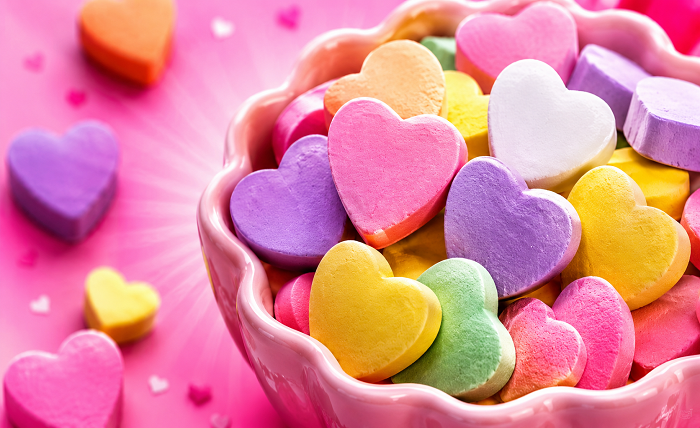
Pastel shades are a defining characteristic of conversation hearts. Pink, yellow, green, purple, blue, and white candies create a visually attractive assortment that perfectly suits Valentine’s Day themes. The bright appearance of conversation hearts makes them ideal for festive displays and decorations.
Some manufacturers have introduced specialty versions of conversation hearts featuring unique flavors or limited-edition colors. These seasonal variations keep consumer interest high while preserving the classic charm that fans expect from conversation hearts.
Conversation Hearts in Valentine’s Day Traditions
Valentine’s Day would feel incomplete for many people without conversation hearts. These candies have become deeply integrated into holiday customs and celebrations around the world.
In schools, conversation hearts are frequently exchanged during classroom Valentine’s Day parties. Children enjoy reading the messages and sharing them with classmates, making the candies an important part of holiday traditions.
Families often use conversation hearts to decorate desserts, tables, and gift packages. Their colorful appearance and cheerful messages add a festive touch to Valentine’s celebrations. Many households include conversation hearts in candy dishes throughout February.
Romantic partners also appreciate conversation hearts as a simple yet meaningful gift. Although they may not replace elaborate presents, these candies offer a playful way to express affection. The sentimental value of conversation hearts often outweighs their modest cost.
The widespread use of conversation hearts during Valentine’s Day demonstrates their ability to bring people together through shared traditions and positive emotions.
Creative Ways to Use Conversation Hearts
Beyond eating them, conversation hearts can be used in numerous creative and entertaining ways. Their colorful appearance and printed messages make them versatile for crafts, games, and decorations.
Many people incorporate conversation hearts into DIY Valentine’s Day projects. They can be used to decorate greeting cards, photo frames, and festive centerpieces. These creative applications allow individuals to personalize their holiday celebrations.
Party planners frequently use conversation hearts in themed games and activities. Guests may sort candies by color, create message combinations, or participate in guessing games. These activities make conversation hearts a source of entertainment as well as a sweet treat.
Bakers often use conversation hearts to enhance cookies, cupcakes, and cakes. The candies add color, texture, and seasonal charm to homemade desserts. Decorating baked goods with conversation hearts is a popular Valentine’s Day tradition.
Teachers also use conversation hearts as educational tools. Students can practice counting, sorting, graphing, and language activities using the candies. This educational value gives conversation hearts a unique role beyond simple confectionery enjoyment.
The Future of Conversation Hearts
The future of conversation hearts appears bright as manufacturers continue to innovate while preserving tradition. New flavors, updated messages, and creative packaging help attract younger consumers without alienating long-time fans.
Technology and social trends may continue to influence the messages featured on conversation hearts. As communication styles evolve, candy makers can introduce new phrases that resonate with modern audiences while maintaining the classic charm associated with the product.
Sustainability is another area where conversation hearts may evolve. Environmentally conscious consumers increasingly value eco-friendly packaging and responsible manufacturing practices. Future versions of conversation hearts may reflect these preferences.
Despite changing consumer tastes, the emotional significance of conversation hearts remains timeless. Their ability to combine sweetness, sentiment, and tradition ensures they will continue to be a beloved Valentine’s Day favorite for generations to come.
Conclusion
Conversation hearts have earned their place as one of the most iconic Valentine’s Day candies in history. From their fascinating origins in the 19th century to their continued popularity today, conversation hearts offer much more than sweetness. Their colorful appearance, playful messages, and nostalgic appeal make them a cherished part of holiday celebrations.
Whether exchanged among friends, shared in classrooms, used in creative projects, or given as romantic tokens, conversation hearts continue to spread joy and affection. As traditions evolve, the enduring charm of conversation hearts ensures they will remain a beloved symbol of Valentine’s Day for many years to come.
FAQs
1. What are conversation hearts?
Conversation hearts are small heart-shaped candies with short messages printed on them, commonly exchanged during Valentine’s Day celebrations.
2. When were conversation hearts first created?
The origins of conversation hearts can be traced back to the 19th century when candy makers began producing sweets with printed messages.
3. Why are conversation hearts associated with Valentine’s Day?
Conversation hearts symbolize affection, friendship, and romance, making them a perfect fit for Valentine’s Day traditions.
4. What flavors do conversation hearts come in?
Traditional conversation hearts often feature flavors such as cherry, lemon, orange, lime, and grape, though specialty varieties also exist.
5. Are conversation hearts still popular today?
Yes, conversation hearts remain one of the most popular Valentine’s Day candies and continue to be enjoyed by people of all ages.